Blog
Offshore wind and paddleboarding: the one check that prevents most rescues
Most paddleboard rescues begin on a calm-looking morning with the wind blowing off the land. Offshore wind is the danger, and one check before you launch keeps you off the lifeboat's list.
PaddleScout · 27 June 2026 · 6 min read
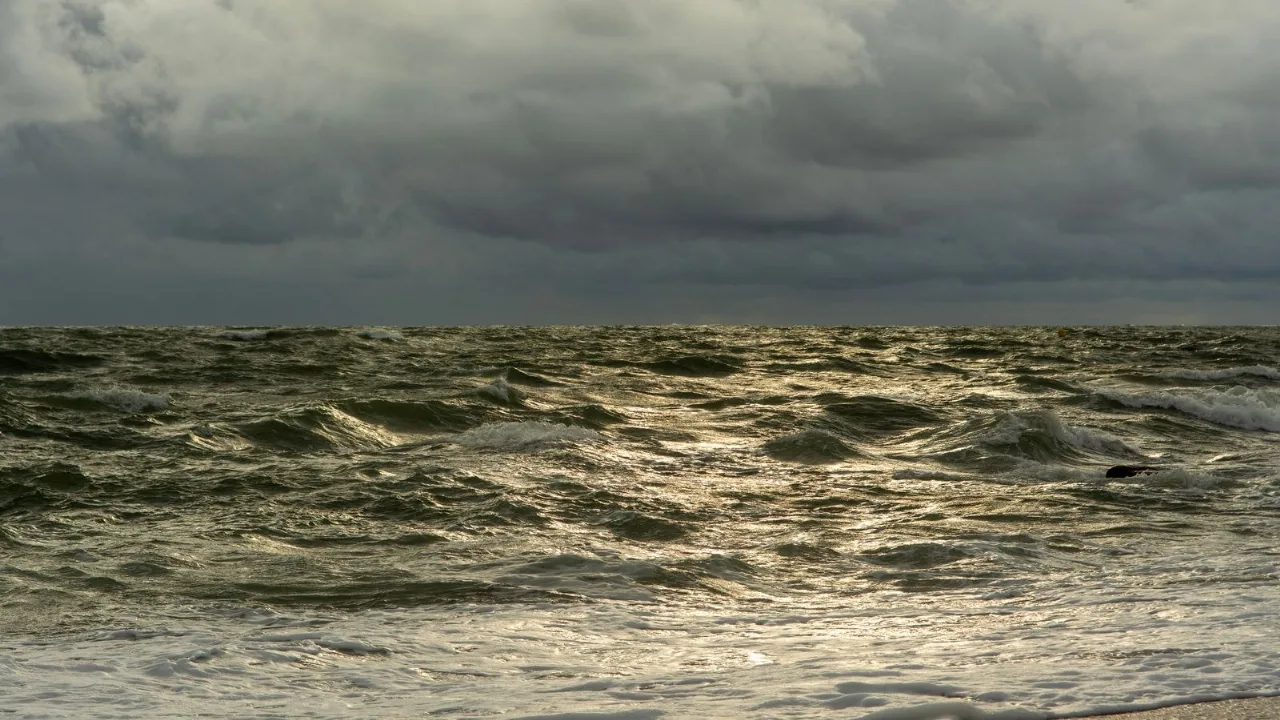
In 2024, RNLI lifeboats launched to paddleboarders 134 times, and 73 of those rescues, 54%, were people blown out to sea by offshore winds. Almost all of them started the same way, on a calm-looking morning. The car park is still, the sea from the promenade looks flat and almost glassy, and everything about the scene says go. That is the morning that most often ends with a lifeboat.
The cause is wind direction, and it is the most useful thing you can check before you leave home.
Why offshore wind is the danger
Wind has a direction as well as a speed, and for paddlers the direction matters more. An onshore wind blows from the sea towards the land, so if it moves you at all, it moves you home. An offshore wind does the opposite. It blows from the land out to sea, and it is the one to respect.
Offshore wind is dangerous because it feels safe. Standing on the beach, sheltered by dunes, buildings or a headland, you feel very little. The water near the shore looks calm because the land blocks the breeze and there is no distance for waves to build. So you launch. But a stand-up paddleboard is a large, light platform, and a standing paddler works like a sail. The wind you barely noticed on the sand carries you away from the beach, often faster than you notice.
By the time you turn back, you are paddling into it. Mark Parker, blown out off Anglesey in 2023, put it simply: 'I was trying to paddle back to shore but I was just going backwards, it was exhausting.' The water that looked gentle has become a headwind you may not beat.
Largs RNLI helm Dave Hewitt described it plainly after one rescue. The weather was warm, he said, but a strong offshore wind 'made the sea look very calm.' That deception is the danger.
The numbers behind the rescues
Those 2024 figures are not a fluke. In 2023 the pattern was almost identical: 76 of 155 paddleboard lifeboat launches, 49%, came from people being blown out to sea or caught by offshore winds. In the south-west, Senior RNLI Lifeguard Courtney Randino puts it higher, saying '90% of shouts to paddleboarders happen because of offshore winds.'
Be clear about what these numbers are. They count lifeboat launches and rescues, not a rate per paddler. Paddleboarding has boomed. The Marine Accident Investigation Branch calls it 'probably the fastest growing UK water sport, with participation in recent years growing by nearly 300%,' and more people on the water means more incidents in total. So the figures do not show that paddleboarding is getting more dangerous per outing. They show which mistake keeps recurring. Of everything that goes wrong, being blown offshore is the biggest single cause, year after year, and that is worth planning around.
Reading wind direction for your spot
Offshore wind is predictable if you look. The trick is to relate the forecast wind direction to your beach.
A north wind blows from the north. On a beach that faces north, a north wind is onshore, blowing in from the sea. On a south-facing beach, that same north wind is offshore. Picture your launch on a map and ask two things: which way does the shore face, and is today's wind coming from the land or from the water? If it is coming off the land, it is offshore, and the calmer it looks, the more caution it earns.
There is a shore-side clue as well. If the bay looks calm but you can see ripples and chop starting a hundred metres out, that flat patch is only shelter. The real wind is waiting beyond it.
Checking conditions at your launch
None of this asks you to become a meteorologist. It asks for one habit: check the wind, speed and direction, before you drive to the water.
As a guide, winds below about 10 mph, Beaufort Force 3 or a gentle breeze, suit relaxed paddling. Most schools treat around 12 knots, roughly 14 mph, as the ceiling for less experienced paddlers, because above that you can no longer count on paddling back against it. The Met Office, Windy and Windfinder all give speed and direction, but they report for a broad area, and you still have to turn 'north-easterly Force 4' into 'offshore at my beach.'
PaddleScout's Pro trip planner removes that step. It shows wind speed and direction, temperature and conditions at the launches you have saved as favourites, and it lets you look ahead to a chosen time, so you see what the water will be like when you plan to be on it, not only right now. Instead of guessing whether 'westerly 12 mph' is safe at your usual bay, you see at a glance whether the wind is pushing you home or out to sea, and you pick the sheltered spot, or decide that today is one for coffee and a walk.
Wind direction is the quiet check that prevents most rescues. It takes seconds and costs nothing, and it turns that deceptively perfect morning into a decision instead of a gamble. Our companion post on the best wind speed for paddleboarding covers the numbers in more detail. When you learn that a bay funnels the wind, you can save it with a hazard pin so your paddling friends see it too. And because wind is not the only thing that catches people out, it is worth reading about cold water and temperature before your next early-season session.