Blog
The wind's up: which of your spots is actually sheltered?
A windy forecast is not always a lost paddle. Most spots are calm on one wind direction and rough on another, so the trick is matching the day to the right launch. PaddleScout can flag which of your spots is sheltered from today's wind.
PaddleScout · 21 July 2026 · 3 min read
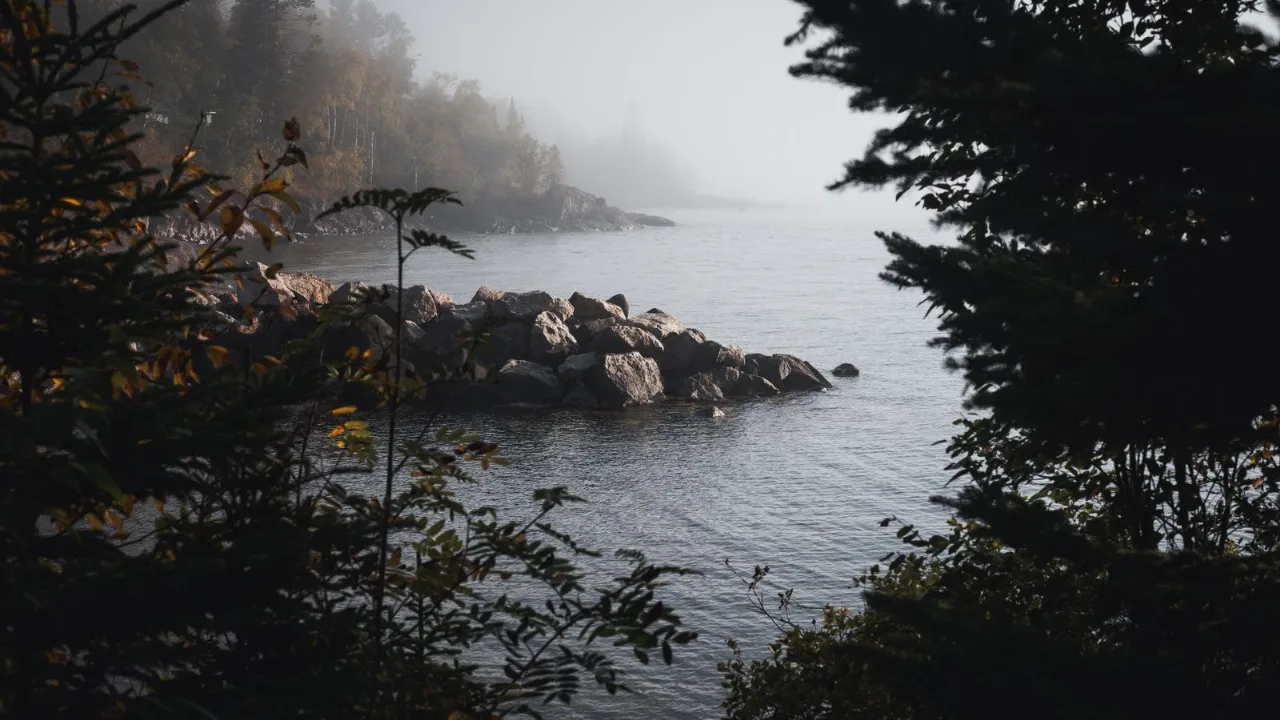
You check the forecast, see fifteen miles an hour, and write the evening off. Often you should not have. Most launches are lovely on one wind direction and choppy on another, tucked behind a hill or a treeline that blocks the wind from one side. A windy day is rarely a no-paddle day. It is a question of which spot.
Direction matters as much as speed
Wind speed tells you how hard a paddle will be; wind direction tells you where it will be hard. The same fifteen miles an hour that churns up an exposed shore leaves a sheltered bay a short drive away calm enough for an easy hour. Knowing the best wind speed for paddleboarding is only half of it. The other half is knowing which of your launches hides from the wind that is actually blowing.
That knowledge usually lives in a paddler's head, learned the hard way over seasons. PaddleScout lets you write it down.
Tell a spot which winds it hides from
For any spot you have saved, you can set its shelter aspect on a small wind-rose: the directions it is protected from. A launch tucked under a western fell gets marked as sheltered from the west, and so on around the eight points of the compass. It takes a few seconds per spot, and you only do it once.
With that set, the planner does the matching. Look at your spots for a given time and it flags the ones that are sheltered from the wind forecast then, so instead of reading a wind direction off the forecast and working out in your head which launch it suits, you see the answer against your own water.
A windy week, still paddled
Put it together and a blustery forecast stops closing the week down. You glance at your spots, see which one is out of the wind, and go there. And if you would rather the app told you when a sheltered spot comes good on its own, you can set a condition alert on it and let it watch for you.