Blog
Your paddling feed should be just your friends
A feed built for a calm sport can be calm. PaddleScout shows you the paddles your friends chose to share and nothing else, so you catch up on the people you paddle with and get back on the water.
PaddleScout · 28 May 2026 · 3 min read
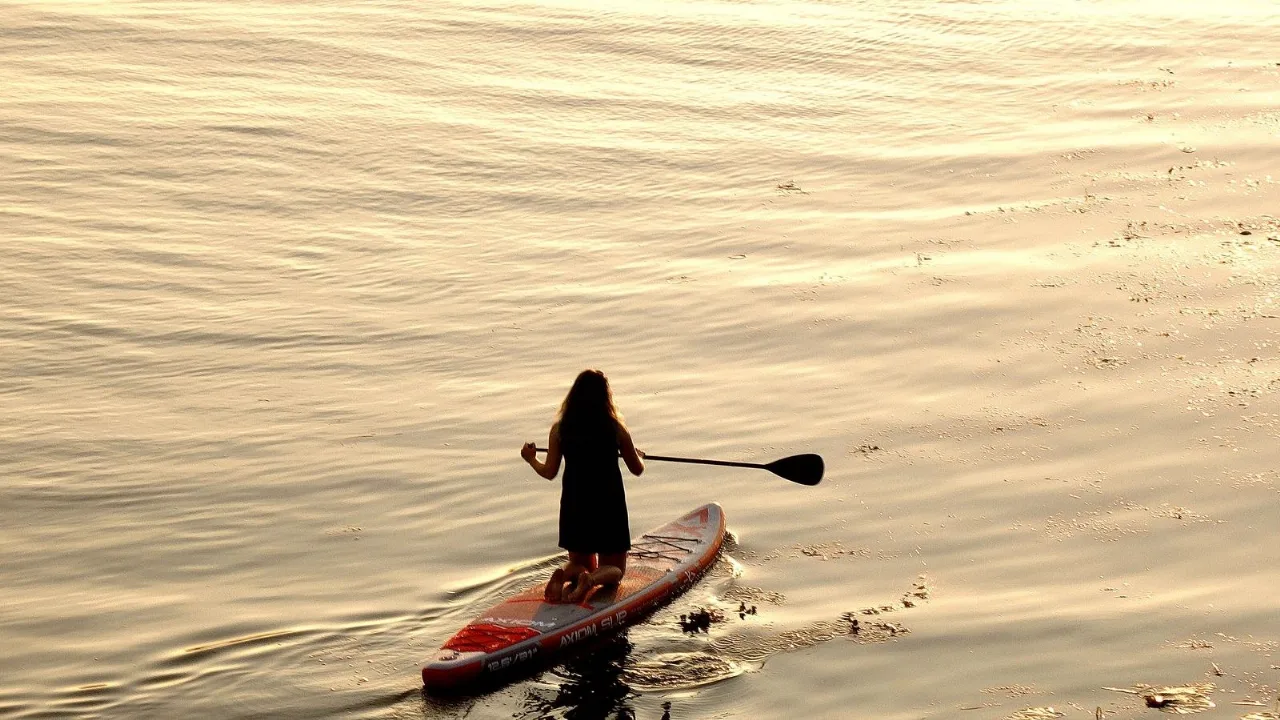
A paddling feed can be a quiet, useful thing: a way to see where your friends have been on the water and where you might head next. It only turns tiring when it stops being about your friends. PaddleScout's feed shows the paddles the people you have added chose to share, and nothing else. No strangers, no endless scroll, no scoreboard.
Two things make a feed tiring
The first is scale: a stream you never reach the bottom of, full of people you do not know. The second is the scoreboard. Kudos, segments and leaderboards turn every outing into a comparison. Researchers who studied club runners on the big fitness apps heard it plainly: 'everything becomes a competition, every day, even during training', and 'I now experience more performance-related stress than before.' One study was titled, without irony, 'If it's not on Strava it didn't happen.'
Most people paddle to slow down, not to rank. A dawn paddle on flat water is not trying to beat yesterday's. Bolt an always-on, competitive stream onto that and you import a pressure the sport never had.
A feed built for how you actually paddle
So PaddleScout's feed is small on purpose. It shows the paddles your friends chose to share, and the paddles you were tagged on, and stops there. There is no discovery of strangers, no global stream, no kudos count to chase. You see what the people you paddle with have been up to, spot a launch you fancy trying, and then you get on with your day.
That smallness is a safety choice as much as a calm one. When general fitness apps have widened their social features, women have flagged each new channel as one more route for unwanted attention from strangers. A feed with no strangers in it has none of that to manage. There are no strangers because sharing on PaddleScout starts private and stays that way until you choose otherwise, which our post on private by default explains.
From your friends' feed to your next paddle
A feed of people you trust is also more useful for planning. When a friend shares a paddle at a spot you have not tried, that is a real lead from someone whose judgement you know, not a viral post from an account you have never met. Tap through, save the launch, and it joins the spots the planner checks when you ask where the wind suits a paddle this week.
A feed should leave you wanting to get on the water, not stuck scrolling on the bank.