Blog
Paddling is a team sport: why a companion tag needs their say-so
Paddling with people is one of the best parts of the sport, but 'we paddled together' is a claim about someone else. On PaddleScout a tag is a request they accept, so a companion is a person who agrees they were there.
PaddleScout · 19 May 2026 · 3 min read
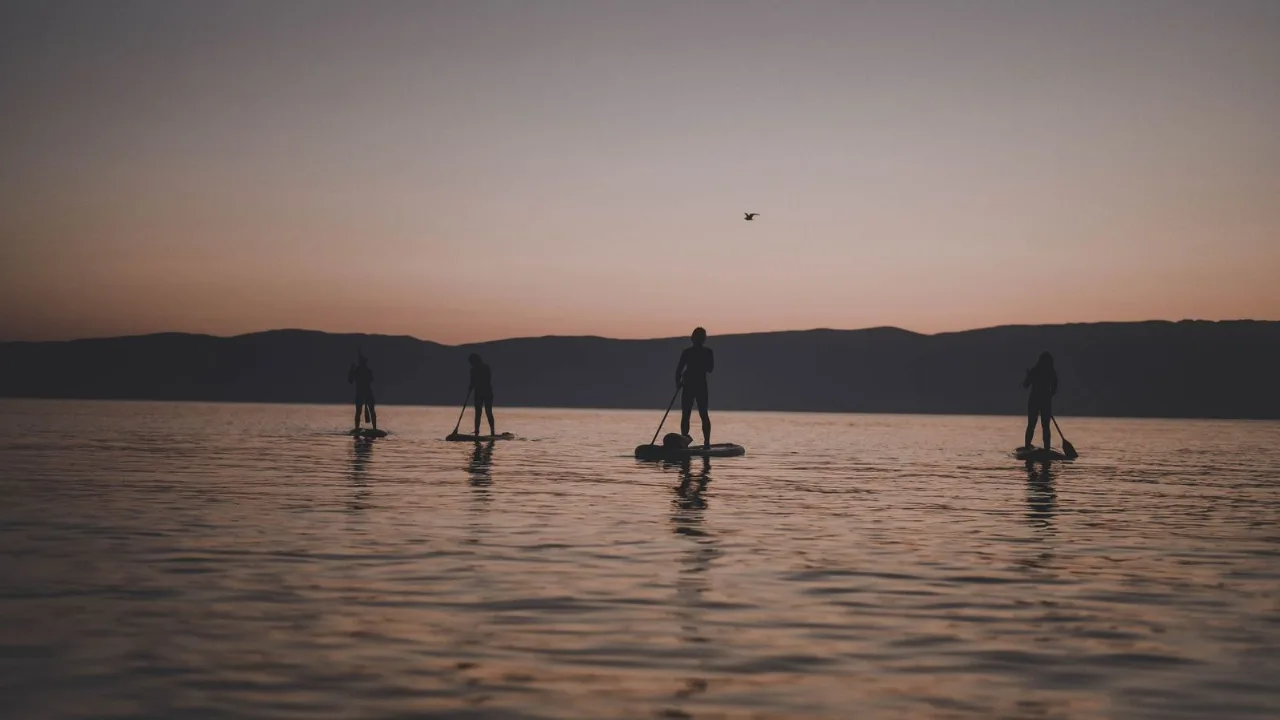
Paddling with people is one of the best parts of the sport. You go out with friends, you keep an eye on each other on the water, and afterwards it is good to have a record of who was there. But 'we paddled together' is a claim about another person, so on PaddleScout a companion is someone who agrees they were with you, not a name an app decided to attach.
A companion is a person, not a coincidence of GPS
Most big fitness apps group you with people by proximity. Cover a 'segment' of road or water and you land on its public leaderboard next to everyone else who ever did, whether you know them or not. It is association by accident, and you never opt into it.
That model has a sharp edge. In 2022, someone planted fake running 'segments' inside secret Israeli military bases and used them to expose around 100 people across at least six top-secret sites, including soldiers who had turned on the strongest privacy settings on offer. The trick worked because the app decides who you were with by who happened to be nearby, not by asking. A record of your companions is only worth having if the people in it actually chose to be there.
Tag a friend, and they confirm
PaddleScout handles it the way you would in person: you ask. You can only tag someone you are already friends with, and when you tag them on a paddle it starts as a request. They accept or decline, and until they accept, nothing shows. A 'paddled with' on PaddleScout therefore means two people agreed it happened. No one can add themselves to your paddle, and no one can put you on theirs without your say-so. It is the same consent-first idea behind our private by default design, pointed at the people you paddle with.
Why it makes planning together work
Consent is also what makes paddling together add up to something over time. Because a tag is confirmed, your companion list is a real record of who you go out with, not a pile of guesses. That is the same trust the planner leans on when you arrange a paddle with friends: you share a plan with people you have actually added, at spots you each know, and everyone chose to be part of it.
Paddling is a team sport, and the record of the team should need the whole team to agree.